Lakeville · I-35 to Cedar Avenue
Appliance repair in Lakeville, where most houses came after 1990
Stalled washer upstairs, garage refrigerator gone warm, dishwasher leaving film? Lakeville homes call us for six machines.
- $89 diagnostic, counted inside the repair you approve
- One written price before any work begins
- Monday through Saturday, same-day when we can
- Service areaAll of Lakeville, ZIP 55044, at your door
- HoursMonday through Saturday, often that same day
- Diagnostic$89, counted within a repair you sign off on
Lakeville
In-home appliance repair across Lakeville
A technician comes to your house, puts the suspect parts on a meter and writes up a single price before any wrench turns.
Lakeville runs along I-35 and Cedar Avenue, from the historic downtown and the shore of Lake Marion out to Airlake Industrial Park and the neighborhoods around Orchard Lake. Founded in 1855 and a city since 1967, it now holds about 77,000 people under one ZIP code, 55044, and we serve all of it. The routine holds on every street. Phone us or fill in the booking form; we ring back to fix a two-hour window for the arrival, and the technician brings a meter, an infrared thermometer and a van stocked with the parts Lakeville machines go through most. Catch us early and the visit can often happen that same day, while a fridge or freezer losing its cold jumps the queue. We schedule Monday through Saturday.
About two-thirds of Lakeville’s homes were built after 1990, and through the 2010s the city added hundreds of new single-family houses every year. The owner lives in close to 87 percent of them. That age profile shapes our calls. Builder-grade appliances that came with a house tend to reach mid-life together, so one subdivision can see dishwashers, washers and ice makers falter within the same few seasons. Two-story plans put laundry on the main or upper floor, where a leak finds a ceiling instead of a floor drain. Three-car garages hold second refrigerators that sit through roughly 22 days a winter at zero or colder, then the 90-degree stretches of July. Most Dakota County houses burn natural gas for heat, so a gas line behind the dryer and under the range is the norm here.
Appliances
Six machines we repair in Lakeville homes
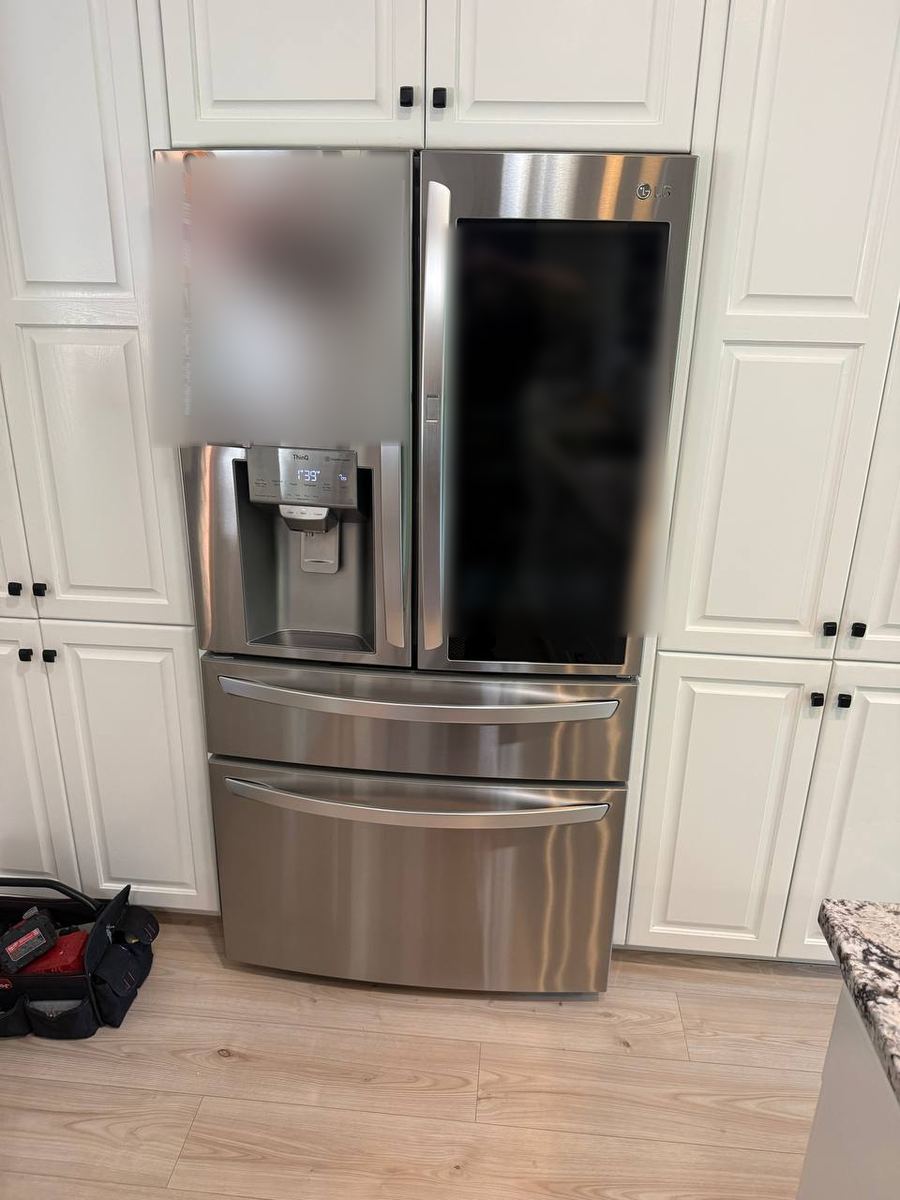 Refrigerator and Freezer RepairKitchen models with French doors, bottom freezers or side-by-side doors, plus the spare unit or chest freezer in the garage that struggles through January cold and July heat.Fridge / freezer repair in Lakeville
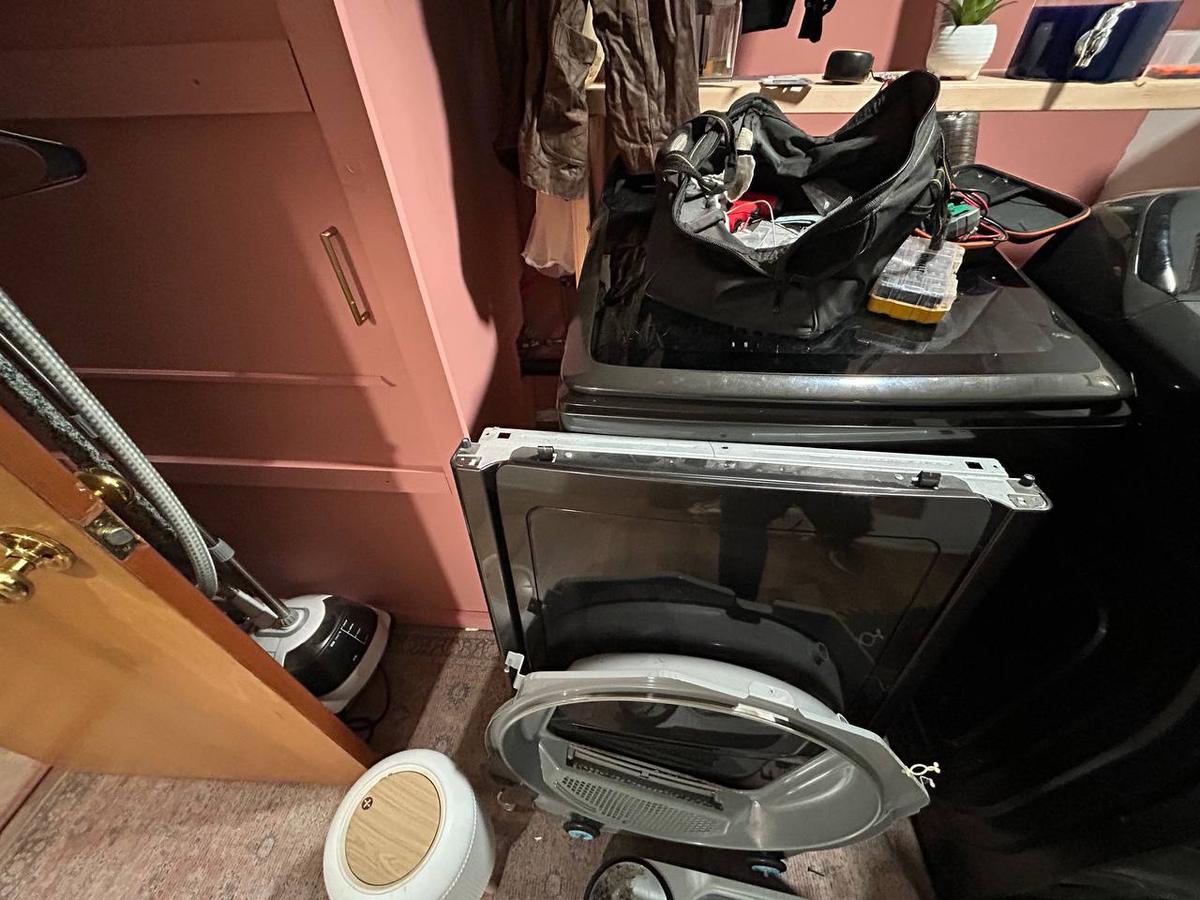
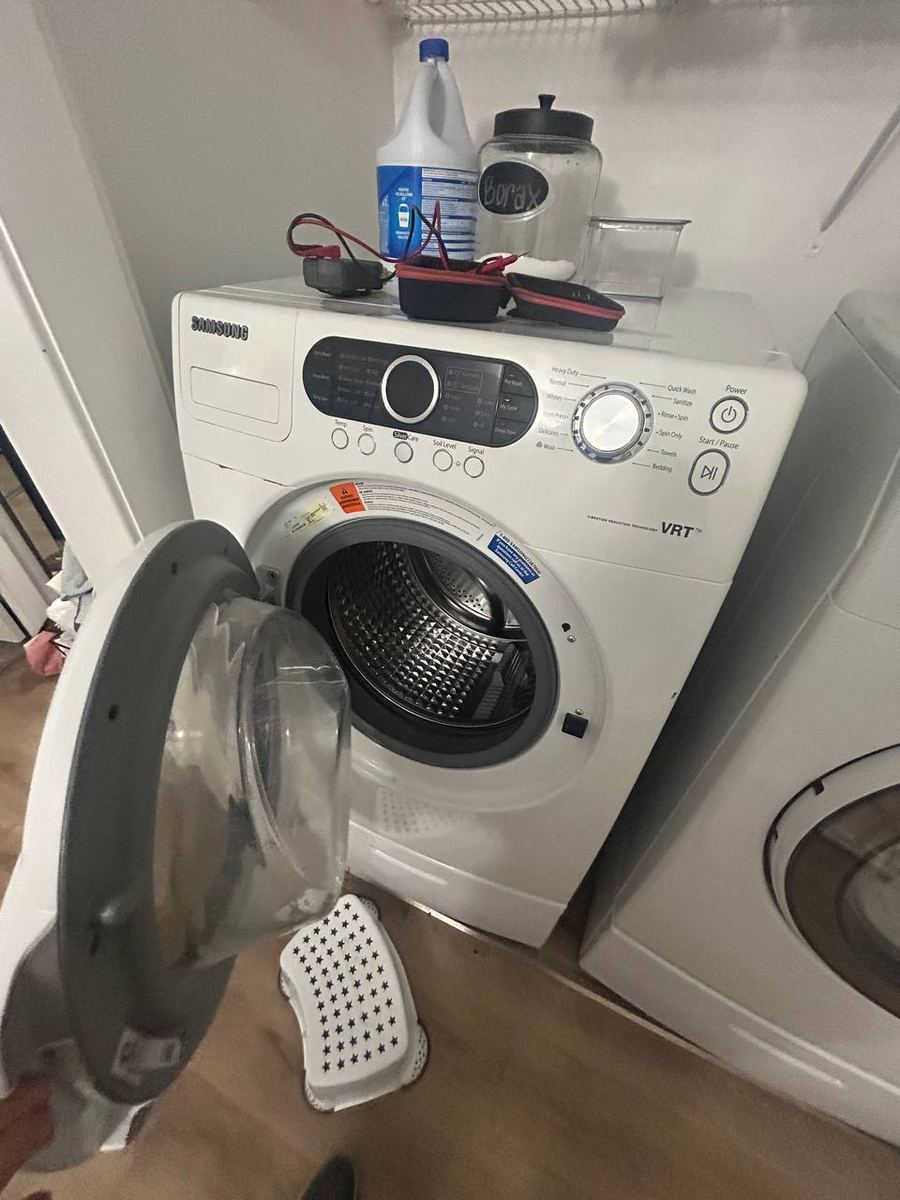 Washer RepairFront-loaders and high-efficiency top-loaders, often on an upper floor here, with drain pumps, door locks, inlet screens and gaskets that hard water and lint wear down.Washer repair in Lakeville
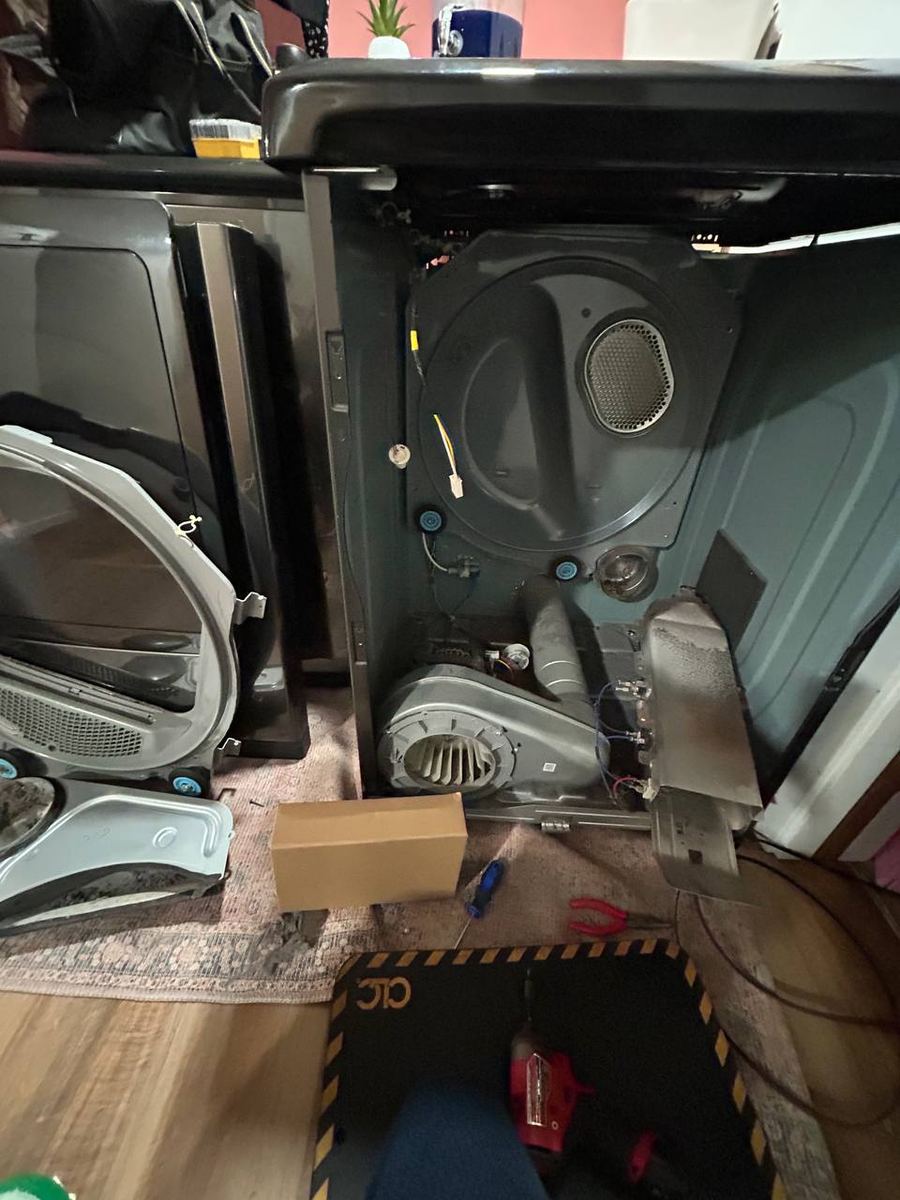 Dryer RepairGas and electric dryers venting through long runs to a side wall or roof, where lint packs in and the hood can frost shut in winter.Dryer repair in Lakeville
 Dishwasher RepairDishwashers fed water at about 18 grains, where scale coats the heater and spray arms if the softener runs dry of salt or sits on the wrong setting.Dishwasher repair in Lakeville
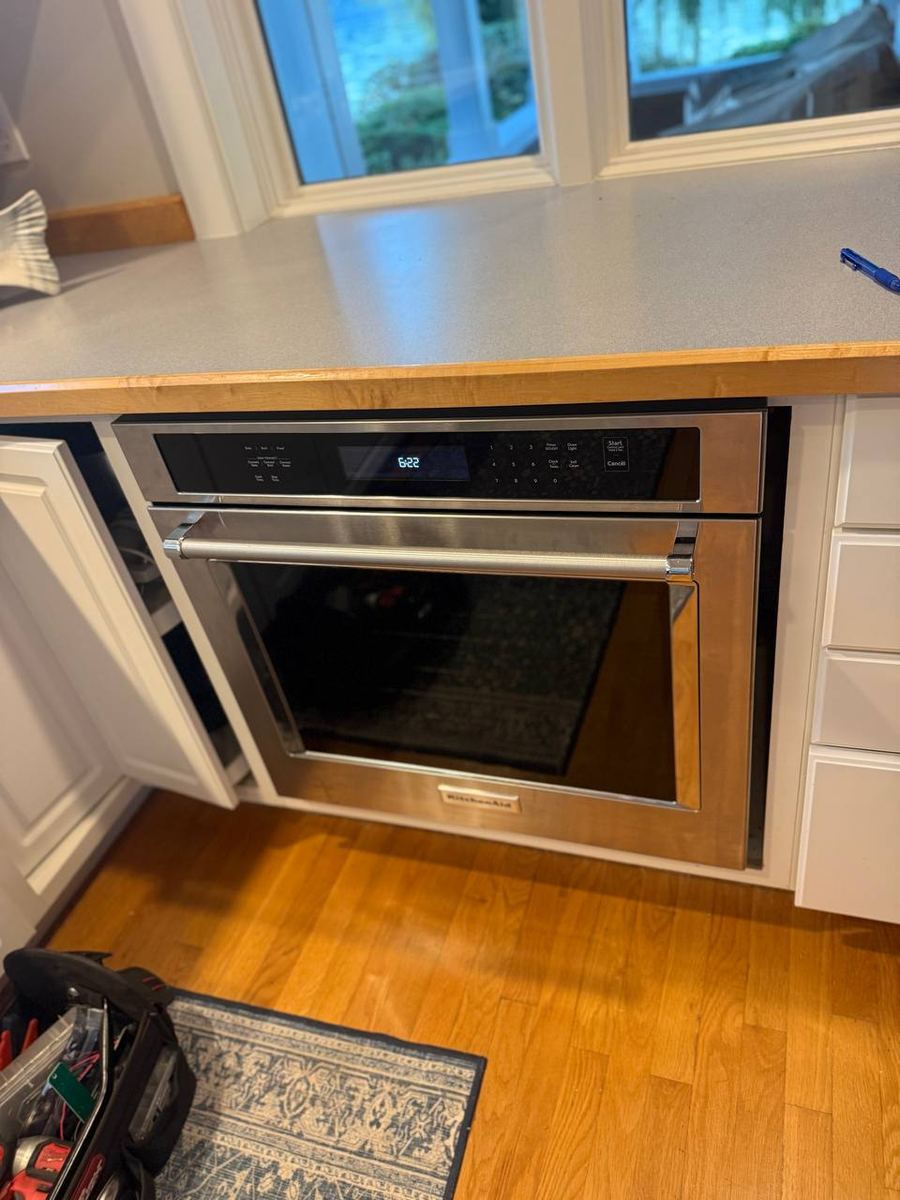 Oven, Range and Cooktop RepairGas ranges with igniters and burner valves, electric glass-tops and induction cooktops, slide-in models and wall ovens with bake elements, sensors and control boards.Oven / range repair in Lakeville
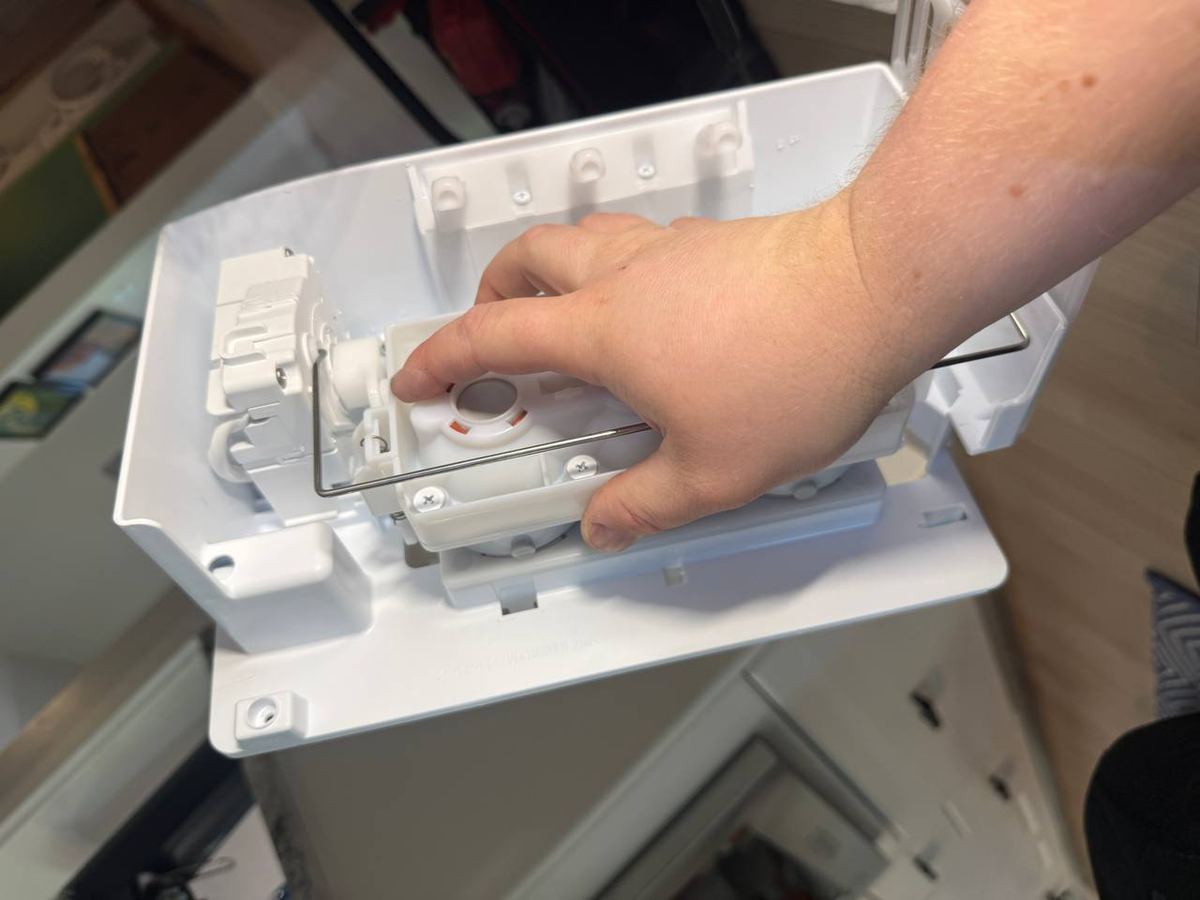 Ice Maker RepairRefrigerator ice makers, stopped by mineral crust at the fill tube, a tired inlet valve, or the melt and refreeze after a storm knocks the power out.Ice maker repair in Lakeville
Neighborhoods and roads
Lakeville neighborhoods and the machines they lean on
Historic downtown
The houses around Lakeville’s historic downtown are older than most of the city, and older plans tend to park the washer and dryer downstairs near a floor drain, with a short dryer vent through the rim joist. Many of these homes have replaced their original appliances at least once, so we meet a wide spread of brands and ages.
Lake Marion and Antlers Park
The town was named for Prairie Lake, the water now called Lake Marion, about 560 acres. Antlers Park on its shore opened in 1910 as a well-known amusement park and is a city park and beach today. Around the lake, humid summer air makes refrigerator cabinets sweat while ice makers work hard through beach season.
Cedar Avenue subdivisions
Along Cedar Avenue the neighborhoods are mostly two-story houses from the last few decades, with laundry rooms upstairs or off the mudroom and three-car garages out front. Typical calls here: front-loaders with sour gaskets, dryers fighting long vent runs, and garage refrigerators that quit on the coldest nights.
Orchard Lake and Ritter Farm Park
Around Orchard Lake and Ritter Farm Park, as across much of Lakeville, many houses date from the 1990s onward, and the 2010s brought hundreds of new single-family homes a year to the city. Appliances in the newest of them may still be young enough for the maker’s warranty, and we check that before quoting a repair.
Two-story homes, three-car garages
This is the typical Lakeville house: builder-grade appliances installed when it was new, laundry upstairs or just off the kitchen, and an extra refrigerator or chest freezer parked in the third stall. Those machines tend to age in step, so one repair often leads to a question about the next.
Water and weather
Lakeville water, weather and your appliances
Lakeville’s tap water measures about 18 grains per gallon, hard enough to leave scale in dishwashers, on washer inlet screens and inside ice-maker fill valves. The city’s guidance is a softener setting of roughly 14–16 grains rather than stripping out every mineral, since over-softened water can become corrosive. Softeners are not something we service, yet when dishwasher film or a slow dispenser points that way, we suggest a look at the dial and the salt. Weather piles on: about 51 inches of snow a year, deep-cold mornings below zero, sticky summers, and outages like July 2025, when about 300,000 customers across Minnesota and Wisconsin lost power. Garage refrigerators, frosted dryer hoods and control boards feel each of those.
Typical visits
Two typical Lakeville service calls
Range · near the historic downtown
A gas oven in a house near the historic downtown glows faintly at the bottom but never lights. With no gas smell in the kitchen, the technician puts the oven igniter on a meter and finds its current too weak for the safety valve to open, a normal end of life for that part. The new igniter comes off the van, a test bake climbs to temperature, and the invoice matches the price on paper.
Washer · off Cedar Avenue
Water is pooling on an upstairs laundry floor off Cedar Avenue, and a faint stain has appeared on the kitchen ceiling below. The technician pulls the front-loader forward, runs a short fill and spots the source: a split in the door gasket where an underwire wore through. A replacement gasket from the van goes on, a full test cycle stays dry, and the floor gets wiped down.
Questions
Lakeville questions
Does your service reach my corner of Lakeville?
It does. ZIP 55044 is all ours, from the historic downtown to the cul-de-sacs off I-35 and Cedar Avenue. Phone us or use the form, and we ring back with the arrival window. Early requests often turn into visits that same day, and a fridge or freezer that is losing its cold moves up the list ahead of other machines.
My Lakeville house is only a few years old. Could the appliance still be under warranty?
It may be. Plenty of homes here were finished within the last decade, and builder appliances sometimes still carry the maker’s coverage. The model and serial number on the label let us look into that, so give them over the phone or enter them in the form. If the coverage seems to apply, we say so before booking, since the maker may handle that repair.
What do I owe in Lakeville if I only want the diagnosis?
$89, and nothing past that unless you decide to go ahead. The technician tests the machine, explains the fault and writes up a single price. Approving it means the $89 is counted inside that number instead of stacked on it. Declining means the $89 covers the trip and the testing, and you keep the findings to weigh your next step.
Should I change my softener because of Lakeville water?
We don’t service softeners, but their setting shows up in our work. City water here tests near 18 grains, and Lakeville’s own guidance is a softener setting of 14–16. When the salt runs out, scale returns fast in dishwashers and ice makers; when a softener strips the water too far, the city warns it can turn corrosive. Your softener’s manual or installer can confirm the dial.
Is there any break for a second machine on the same Lakeville trip?
There is. Mark the extra appliance in the form’s optional box, or bring it up when we call, and its diagnostic drops by $10. Lakeville households pair them often: the kitchen refrigerator with the garage one, or the washer with the dryer standing beside it in an upstairs laundry room.
Book the $89 diagnostic visit
Here in Lakeville, the $89 you pay for testing is counted within any repair you sign off on; turn the repair down, and the $89 closes out the bill.